- By flightdispatchtraining
- September 8, 2026
- Comments (0)
Choosing the right dispatcher school in Canada can shape the entire direction of your aviation career. As airline operations continue to grow across the country, more people are exploring a flight dispatcher course as a practical, non-pilot route into commercial aviation. Not every programme, though, offers the same depth, structure or exam readiness. This is where a genuinely well-run dispatcher school in Canada stands apart- pairing regulatory knowledge with real operational training and a clear path to Transport Canada certification. Here’s what sets a strong programme apart, and how one provider brings it together in practice.
How to Choose the Right Flight Dispatcher Course in Canada?
A strong flight dispatcher course combines Transport Canada exam preparation, instructor-led operational training and small class sizes. Look for programmes built around real airline dispatch procedures rather than theory alone, with a direct path into FDOPS and FDMET certification.
Core Qualities of a Reliable Aviation Training Provider
A dependable programme is judged less by its brochure and more by what happens in the classroom. Instructors with genuine airline dispatch experience matter, because they translate regulation into day-to-day operational judgement- reading weather systems, coordinating with flight crews, and making dispatch decisions under real constraints. Small, interactive class sizes also help, giving students direct feedback rather than passive lecture time, and letting instructors walk through operational scenarios in detail instead of rushing through a fixed syllabus.
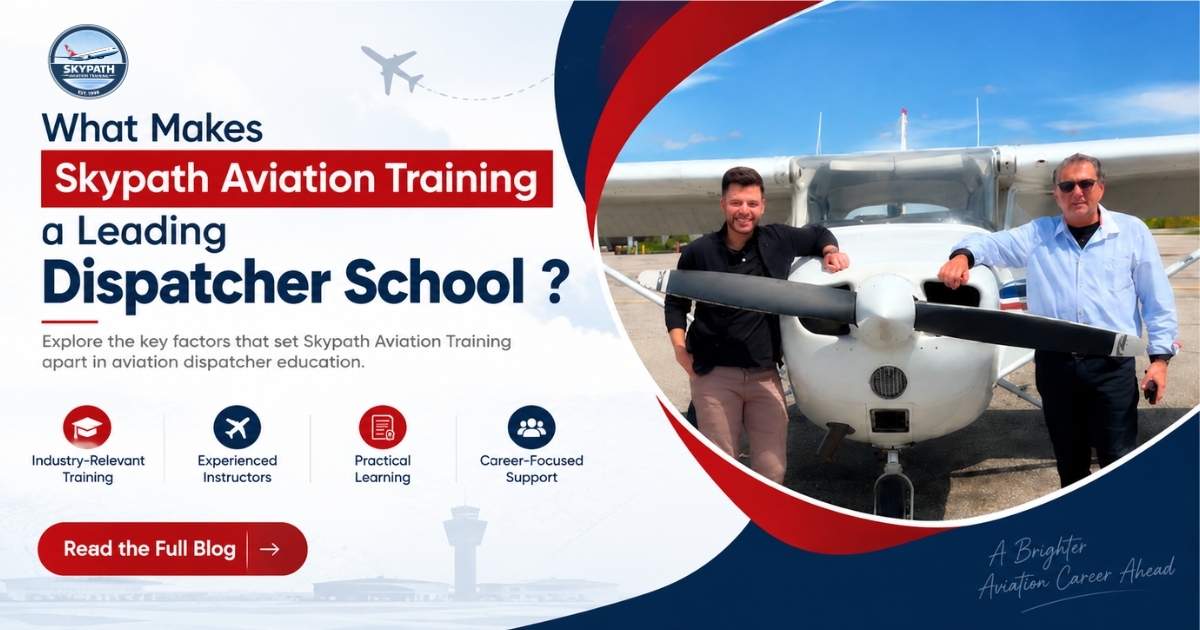
Skypath Aviation Training, based in Markham and serving students across the Greater Toronto Area, reflects this approach, with an instructor-led format built around Canadian aviation standards and operational case studies rather than purely academic theory. Its programme also reflects a longer institutional history in aviation operations education, having previously been delivered through York University before continuing independently with the same operational focus.
Curriculum Depth and Exam Readiness
A well-structured aviation dispatcher course in Canada typically covers flight planning, aircraft performance, operational meteorology and Canadian aviation regulations, alongside preparation for the Transport Canada FDOPS and FDMET examinations. Many programmes also include Aviation Radio Operator Certification as part of the wider operational skill set, since dispatchers regularly communicate with flight crews during live operations.
Intensive, classroom-based formats suit career changers and beginners alike, since no prior dispatch experience is usually required. What separates a genuinely useful aviation dispatcher course in Canada from a generic one is whether the syllabus mirrors real dispatch workflows, including irregular-operations handling and communication protocols, rather than exam content taught in isolation from day-to-day airline practice.
Career Paths After Training
Graduates of a solid programme aren’t limited to the flight dispatcher title alone. Related roles include flight operations officer, systems operations control, flight following, crew scheduling support, and airline operations coordination- all built on the same operational foundation of weather interpretation, communication and regulatory compliance. This breadth is part of why a flight dispatcher course appeals to people who want structured, safety-critical work in commercial aviation without pursuing a pilot’s licence, and it also gives graduates flexibility if their first role isn’t a perfect fit.
Key Takeaways
Ultimately, the value of any dispatcher school in Canada comes down to instructor quality, curriculum depth, and how directly it prepares students for Transport Canada certification and real airline operations. Programmes that combine these elements, rather than treating dispatch training as a checklist exercise, tend to produce graduates who are genuinely ready for operational roles. For anyone comparing options, Flight Dispatch Training is a useful reference point when researching what a properly structured dispatcher school should look like.
Frequently Asked Questions
1. What does a flight dispatcher course typically include?
A flight dispatcher course usually covers flight planning, aircraft performance, aviation meteorology, and Canadian aviation regulations. Most programmes also prepare students for Transport Canada’s FDOPS and FDMET examinations, combining classroom instruction with operational case studies rather than theory taught apart from real airline dispatch procedures.
2. How long does training at a dispatcher school in Canada usually take?
Formats vary, but many dispatcher schools in Canada programmes run as intensive courses lasting around one week, delivered in person with instructor-led sessions. This structure suits people balancing career changes or existing commitments, since it condenses regulatory and operational content into a focused, exam-oriented schedule.
3. Do I need previous aviation experience to enrol?
No. Most programmes are designed for beginners, career changers, and aviation enthusiasts alike, with no prior dispatch or pilot experience required. Foundational aviation knowledge helps but isn’t essential, since structured courses build operational understanding progressively through classroom instruction, case studies, and guided exam preparation from experienced instructors.
4. What exams follow an aviation dispatcher course in Canada?
Graduates typically sit Transport Canada’s FDOPS (operations) and FDMET (meteorology) examinations, which are required for dispatcher licensing. A properly structured aviation dispatcher course in Canada aligns its syllabus directly with these exam requirements, covering regulations, weather interpretation, and the operational procedures needed to pass both examinations confidently.
5. What career options are available after completing dispatcher training?
Career paths include flight dispatcher, flight operations officer, systems operations control, crew scheduling support, and airline operations coordination. These roles share a common foundation in operational monitoring, communication with flight crews, and regulatory compliance, making dispatch training a flexible entry point into commercial airline operations.