Transport Canada Exams
Flight Dispatcher Certification and Examination Guide
The Transport Canada Exams are a mandatory part of becoming a certified flight dispatcher in Canada. These examinations evaluate operational knowledge, aviation weather interpretation, flight planning, regulations, and decision-making skills required for airline dispatch operations. Whether you are entering aviation for the first time or progressing towards airline operational roles, understanding the examination structure is an essential first step.
The two required examinations, the FDOPS exam and the FDMET exam, form part of the Generic Licence process regulated by Transport Canada. Both Canadian and international applicants may complete these examinations after approved dispatcher training.
Understanding Transport Canada Exams for Flight Dispatcher Certification
The Transport Canada Exams assess aviation meteorology, operational procedures, flight planning, navigation, and airline dispatch knowledge required for professional certification. Candidates must complete both the FDOPS and FDMET examinations before progressing towards airline-specific operational training and final licensing requirements.
Structured preparation and operational understanding are essential for completing these federally recognised examinations.
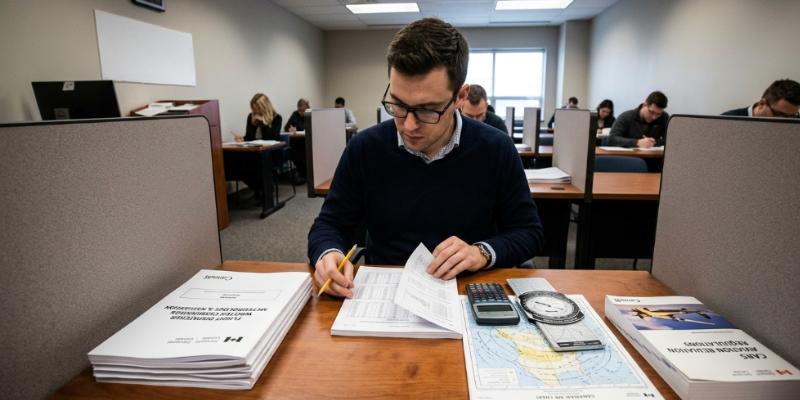
What Are the Transport Canada Exams?
The Transport Canada Exams required for dispatcher certification include two separate multiple-choice examinations:
FDMET Exam (Meteorology)
The FDMET exam evaluates aviation weather knowledge and meteorological interpretation skills essential for airline operational planning.
Key areas include:
- Weather systems
- METARs and TAFs
- Winds and pressure systems
- Icing and turbulence
- Aviation forecasting
- Weather-related operational
- decisions
FDOPS Exam (Flight Operations)
The FDOPS exam focuses on operational procedures and airline dispatch responsibilities.
Topics commonly covered include:
- Flight planning
- Fuel calculations
- Navigation
- Aircraft performance
- Canadian Aviation Regulations
- Emergency procedures
- Operational control
Together, these examinations establish the federal competency standard for dispatcher operations within Canadian aviation.
Key Features of the Examinations
The Transport Canada Exams follow a standardised structure designed to evaluate practical operational knowledge.
Important examination details include:
01
Multiple-choice format
02
FDMET: 100 questions
03
FDOPS: 80 questions
04
Examination duration: 3.5 hours
05
Minimum passing score: 70%
06
No examination fees charged by Transport Canada
07
Open to Canadian and international students
No formal aviation experience or operational background is required before attempting the examinations.

Why These Exams Matter
The aviation industry depends heavily on certified dispatch professionals to support operational safety, regulatory compliance, weather monitoring, fuel planning, and flight coordination.
Completing the Transport Canada Exams demonstrates operational readiness and supports progression towards airline dispatch responsibilities. Airlines rely on licensed dispatchers to assist with real-time operational decisions that directly impact safety and efficiency.
Successfully passing the examinations also strengthens employment opportunities within airline operations and aviation management roles across Canada.
Flight Dispatcher Certification Process
The certification pathway generally involves several structured stages before obtaining operational qualification. We guide you through this entire process during the course.
Step 1: Complete Dispatcher Training
Candidates begin by enrolling in an approved dispatcher training program focused on preparing students for the FDOPS exam and FDMET exam.
Training commonly includes:
Aviation regulations
Flight planning exercises
Meteorology instruction
Operational procedures
Dispatch simulations
Examination preparation
Step 2: Obtain a Transport Canada File Number
Applicants who have never completed a Transport Canada aviation examination must first request a Transport Canada file number.
This one-time process links personal information to the official examination system.
Applicants are generally asked to provide:
01
Full legal name
02
Date of birth
03
Mailing address
04
Contact number
05
Government-issued identification
Processing timelines may vary depending on the regional office.
Step 3: Schedule the Examinations
Once a file number is issued, candidates may schedule the examinations either at our location on specific dates or Transport Canada examination centres located throughout Canada.
Many students choose to complete the examinations shortly after training while operational material remains fresh.
Transport Canada Examination Centres
Transport Canada examination centres are located across several Canadian regions.
Ontario Region
Toronto
Hamilton
Ottawa
Thunder Bay
Atlantic Region
Moncton
St. John’s
Dartmouth
Prairie and Northern Region
Edmonton
Saskatoon
Winnipeg
Yellowknife
Québec Region
Dorval
Québec City
Alma
Some locations operate strictly through scheduled appointments.
Study Preparation and Training Support
Preparing effectively for the Transport Canada Exams requires both technical understanding and operational judgement. Many students strengthen their readiness through structured instruction, realistic operational scenarios, and guided revision sessions.
Training programs commonly focus on:
01
Examination-focused preparation
02
Meteorology interpretation
03
Operational case studies
04
Dispatch procedures
05
Flight planning exercises
06
Regulatory guidance
Consistent revision and practice testing also help improve retention and examination confidence.
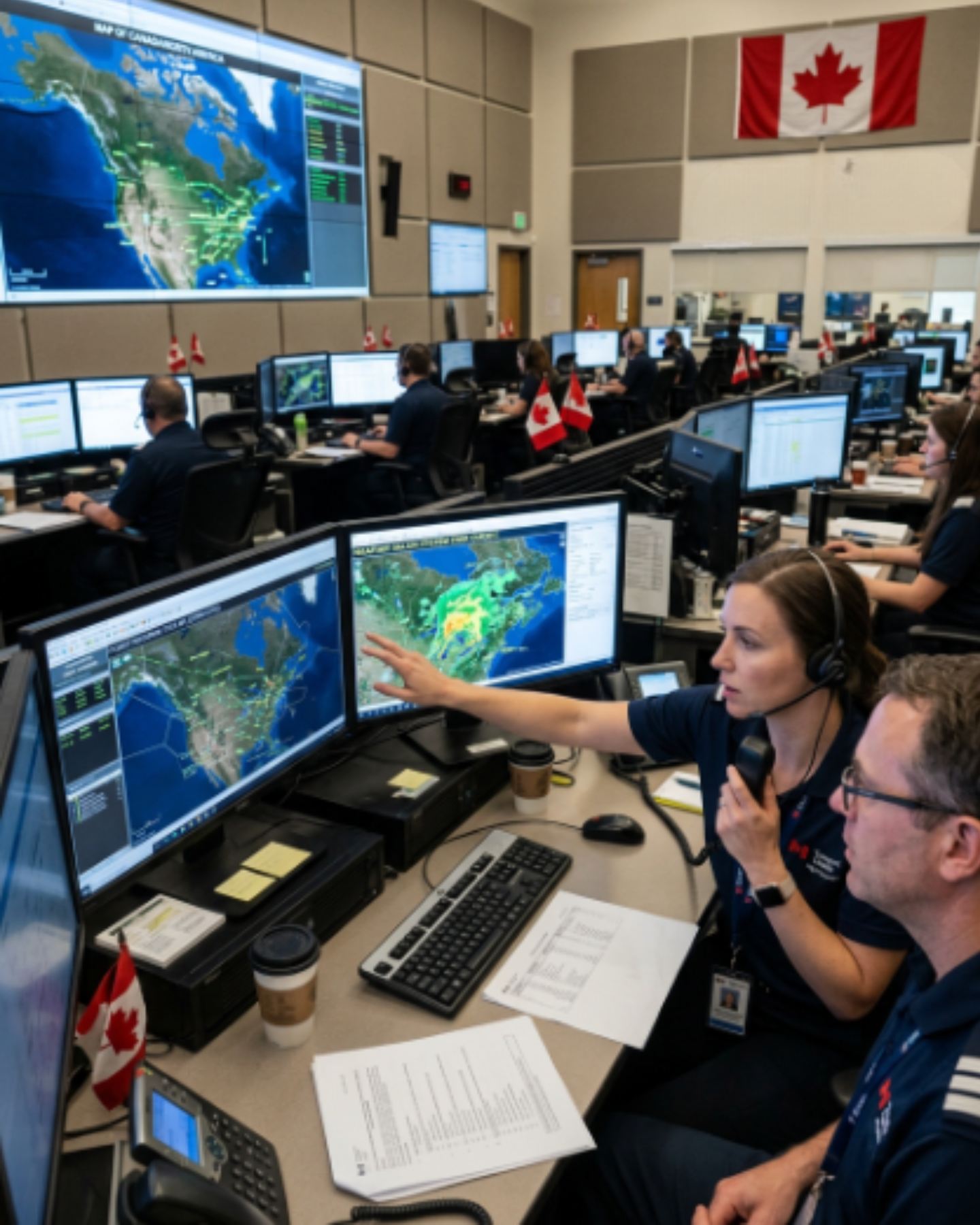
Transport Canada Flight Dispatcher Certification and Examination Overview
The Transport Canada Exams form the foundation of professional flight dispatcher certification in Canada. Through the successful completion of the FDOPS exam and FDMET exam, candidates demonstrate the operational knowledge and decision-making skills required within modern airline operations.
For students seeking structured aviation training and examination preparation, Flight Dispatch Training provides professional guidance designed to support long-term success within Canada’s aviation industry.
Frequently Asked Questions
1. What are the Transport Canada Exams?
The Transport Canada Exams include the FDMET and FDOPS examinations required for dispatcher certification in Canada. These examinations assess aviation meteorology, operational procedures, flight planning, regulations, and airline dispatch knowledge necessary for professional operational responsibilities within the aviation industry.
2. Is aviation experience required before writing the exams?
No previous aviation experience is required before attempting the examinations. Many students begin training without prior airline exposure and gradually develop operational understanding through classroom instruction, aviation-focused learning, examination preparation, and realistic operational scenarios designed for future flight dispatch professionals.
3. What is the difference between the FDOPS exam and the FDMET exam?
The FDOPS exam focuses on flight operations, regulations, navigation, fuel planning, and airline operational procedures. The FDMET exam evaluates aviation meteorology, weather interpretation, forecasting, turbulence, and operational weather decision-making required for safe airline dispatch operations and flight planning responsibilities.
4. How long are the Transport Canada flight dispatcher exams?
The examinations are conducted in a multiple-choice format and generally allow candidates approximately 3.5 hours to complete. Students must achieve a minimum passing score of 70% in both examinations before progressing towards airline-specific operational training and dispatcher licensing requirements.
5. Can international students complete dispatcher certification in Canada?
Yes. International students are permitted to complete dispatcher training and write the required examinations through approved Canadian examination centres. The certification process remains accessible to both Canadian and international applicants interested in pursuing professional airline dispatch and aviation operations careers.