Career Path Job Opportunities
Your Career Path After the Transport Canada Flight Dispatcher Exams
Why the Transport Canada Dispatcher Route Matters
A flight dispatcher course in Canada opens doors to multiple aviation operations roles beyond traditional dispatch functions.
Every recognized path into Canadian airline operations runs through the same regulatory gateway. The Transport Canada Flight Dispatcher Exams, meteorology under FDMET and operations under FDOPS, form the Generic license stage that airlines expect before hiring. Employers don’t just want a pass mark; they want candidates who’ve genuinely absorbed weather interpretation, flight planning, and regulatory procedure well enough to handle live operational pressure on day one.
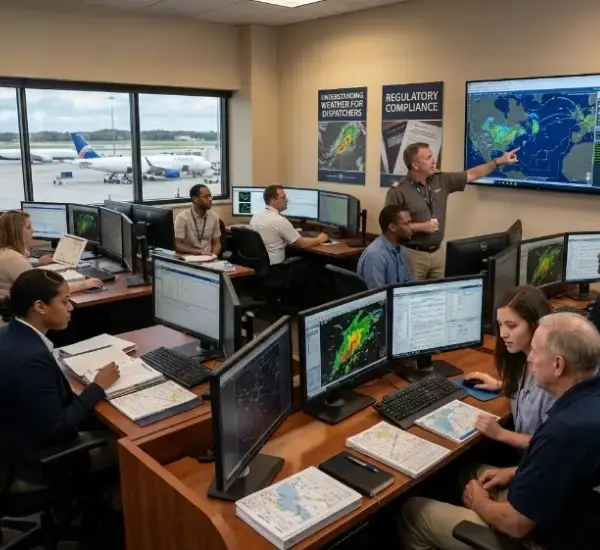
That’s where structured preparation earns its keep. Candidates who’ve completed focused, in-person training rather than self-study alone tend to walk into interviews with a clearer grasp of how classroom material maps onto real control-center decisions.
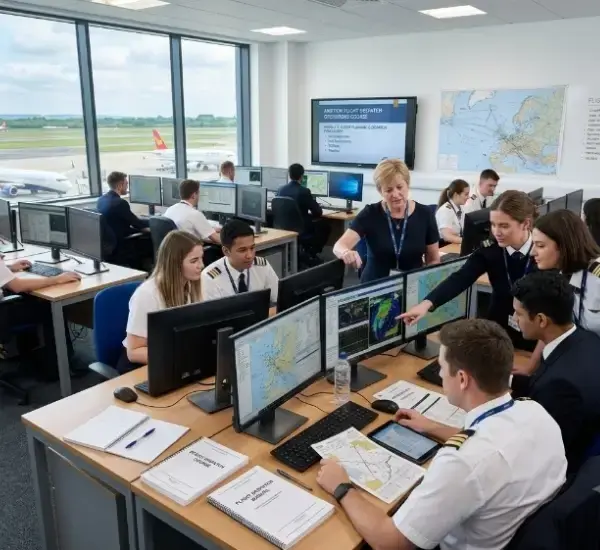
Entry-Level Roles Open to Certified Dispatchers

A Glimpse Into a Typical Operations Shift
Ask any working dispatcher what the job actually feels like, and you’ll hear less about paperwork and more about pace. A shift might open with reviewing overnight weather systems and NOTAMs, move into building or adjusting flight plans as conditions shift, and close with coordinating a reroute around an unexpected storm cell — all while staying in constant contact with pilots and the wider operations team.

Where the Career Actually Leads
Senior Flight Dispatcher or Lead Operations Controller
Airline Operations Supervisor
Network Operations center (NOC) roles
Aviation Safety or Compliance Support
Training and mentoring positions within airline operations teams
What Makes This Career Genuinely Worth Pursuing
Airline operations offers something increasingly rare: direct involvement in flight safety without needing a pilot’s license. Structured growth from entry-level coordination through to supervisory and NOC roles gives dispatchers a real, visible career ladder rather than a flat job description that never changes. Few operational aviation careers offer this combination of responsibility, variety, and clearly mapped progression.
Canadian air travel demand continues to grow, and airlines are expanding fleets and operational teams to match it. That translates into a consistent hiring need for professionals trained under Transport Canada’s regulatory standards, rather than a market that’s likely to soften anytime soon. For candidates weighing career options right now, that stability alone is worth taking seriously.
Why Train With Skypath Aviation and Flight Dispatch Training