- By flightdispatchtraining
- November 5, 2026
- Comments (0)
On Canada Day, plenty of us look up when a jet passes overhead. Few people think about the team on the ground that planned that flight, checked the weather and fuel, and is still watching it right now.
Those jobs are real, steady careers. And with the right aviation training in Canada, you don’t need to be a pilot to have one.
If you’ve ever wondered how to get into airline operations, this is a good day to start planning.
How Can Aviation Training in Canada Lead to a Career in Airline Operations?
Aviation training in Canada can prepare you for ground-based roles like flight dispatcher, operations controller or crew scheduler. For dispatch, you study regulations, meteorology and flight planning, pass the Transport Canada FDOPS and FDMET exams, then complete your airline’s own training.
Canadian Aviation Careers Go Beyond the Cockpit
When people picture Canadian aviation careers, they usually think of pilots. But every flight depends on a much bigger team.
At many airlines, flight dispatchers share responsibility for each flight with the captain. They plan routes, calculate fuel and track weather. Operations controllers handle delays and disruptions, while crew schedulers keep staff where they need to be.
The demand is clear. According to Statistics Canada, Canada’s largest airlines carried 7.0 million passengers in April 2026 alone. Every one of those flights needed planning on the ground, which is where aviation training in Canada comes in.
What Airline Operations Training Actually Covers?
Good airline operations training is practical. It teaches you to think like the person responsible for getting a flight safely from A to B, even when the weather turns.
Expect to cover:
- Canadian Aviation Regulations and dispatch duties
- Aviation weather, including forecasts and charts
- Flight planning, fuel and aircraft performance
- Navigation, airspace and communication procedures
Most aviation courses for dispatchers also include radio procedures. Some bundle in the Restricted Operator Certificate with Aeronautical Qualification, which you need to use aviation radios.
How Aviation Certification Works for Flight Dispatchers?
In Canada, dispatcher aviation certification has two main steps.
First, you pass two Transport Canada written exams. FDOPS covers operations and regulations, while FDMET covers aviation meteorology.
Second, the airline that hires you gives you its own training. That usually includes supervised work and route familiarization before you’re certified to dispatch on your own.
So passing the exams doesn’t make you a dispatcher overnight. It does make you a much stronger candidate when airlines are hiring.
Choosing the Right Aviation Courses
Not all aviation courses are equal. Before you enroll, ask a few questions.
Who are the instructors, and have they worked in airline operations? Is the course built around the Transport Canada exams? And does the schedule fit around work or family?
International students should check their status too. Many Canadian courses need you to already hold a valid study, work or visitor permit.
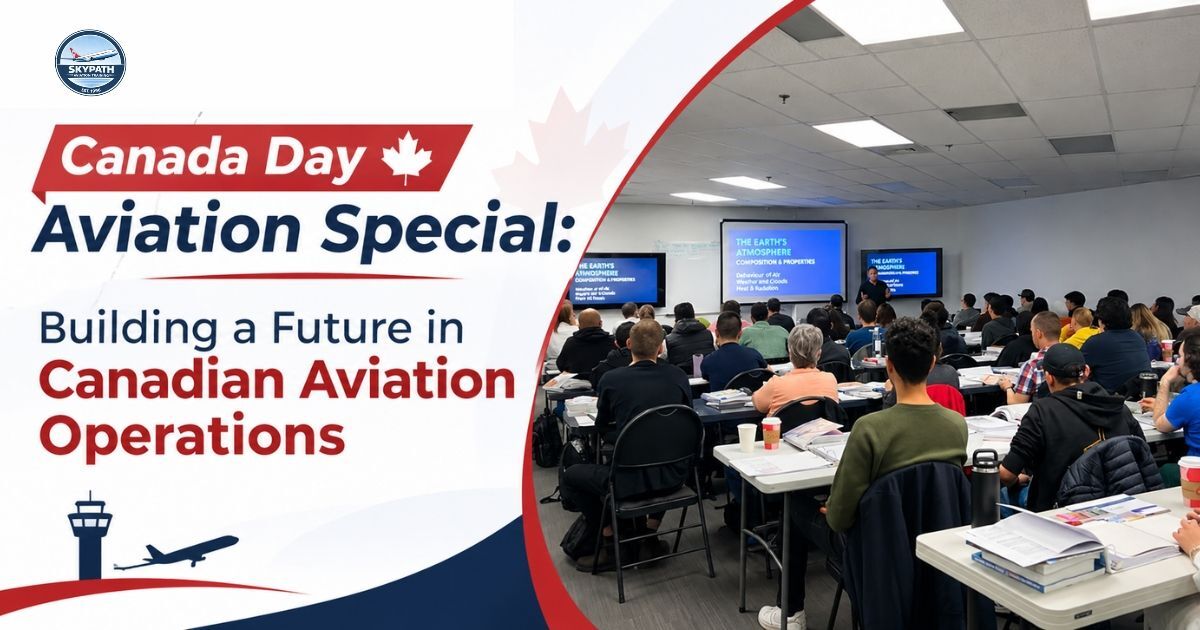
Classroom courses suit people who learn best face to face, with time to ask questions. Skypath Aviation Training, for example, runs an intensive classroom program in Markham, Ontario, focused on dispatcher exam preparation.
Celebrate Canada Day by Planning Your Own Takeoff
Canada’s skies are busy, and they won’t run without skilled people on the ground. If you love aviation but the cockpit isn’t for you, operations could be a great fit for you.
The right aviation training in Canada gives you the knowledge, the exam preparation and the confidence to apply.
Flight Dispatch Training has been preparing future dispatchers since 1996. Its focused flight dispatcher course covers FDOPS and FDMET preparation, so you can take your first real step toward aviation training in Canada that leads somewhere.
FAQs
1. Do I need a pilot license to become a flight dispatcher in Canada?
No. You don’t need a pilot license for this role. You need to pass the Transport Canada FDOPS and FDMET exams and complete airline training. A background in aviation helps, but many successful dispatchers start out with focused classroom courses.
2. How long does flight dispatcher training take?
It varies by provider. Some intensive programs run for about a week, while others take several months. Good airline operations training should prepare you fully for the Transport Canada exams, with plenty of practice questions, whatever the format or schedule.
3. What jobs can I get after aviation training?
Graduates can apply for entry-level roles such as flight dispatcher, operations controller, crew scheduler or load planner. Many Canadian aviation careers start in operations at airlines, charter companies, flight schools or cargo operators, then grow steadily from there with experience.
4. Can international students take aviation courses in Canada?
Yes, in many cases. However, most providers require you to already hold a valid study permit, work permit or visitor visa. Always check the course’s entry requirements carefully before you apply, as a short course usually can’t support a visa.
5. Is aviation certification recognized by airlines?
Most airlines expect dispatch candidates to have passed the Transport Canada exams. That aviation certification shows you know the regulations and weather theory. Each airline then provides its own training and supervised practice before you’re cleared to dispatch flights independently.