- By flightdispatchtraining
- September 16, 2026
- Comments (0)
Most people picture aviation careers as pilots or cabin crew. Rarely do they think about the person on the ground deciding whether a flight should take off at all.
That’s the flight dispatcher- legally responsible, alongside the captain, for every flight’s safety and operational plan. It’s one of aviation’s most overlooked but essential roles.
As Canadian airlines expand routes and rebuild post-pandemic schedules, interest in airline dispatcher training in Canada has grown steadily among people looking for a stable, well-paid aviation career that doesn’t require years in a cockpit.
What Makes Flight Dispatcher Training in Canada Worth Considering Right Now?
Flight dispatcher training in Canada is worth considering because the role offers strong job stability, shared legal responsibility with pilots, and a faster path into aviation than pilot training. Canada’s growing regional and commercial carriers continue to need qualified dispatchers to manage flight planning and safety compliance.
The Role Carries Real Responsibility
A flight dispatcher isn’t an office administrator booking routes. Under Transport Canada’s regulatory framework, dispatchers share joint authority with the captain over whether a flight proceeds.
That means analyzing weather, fuel loads, aircraft weight and route conditions before every departure. It’s detailed, high-stakes work- and airlines value people trained properly for it.
This shared responsibility is exactly why a structured flight dispatcher course in Canada matters more than picking up the basics informally on the job.
Demand Is Growing Faster Than the Talent Pool
Canada’s aviation sector has been rebuilding capacity steadily, with regional carriers and cargo operators expanding schedules across the country.
Dispatcher roles haven’t kept pace with this growth in the same way pilot hiring has been publicized, which means qualified graduates often face less competition entering the field.
For anyone comparing aviation careers by realistic entry difficulty, flight dispatcher training in Canada tends to offer a shorter, more accessible runway into the industry.
A Faster, More Practical Route Into Aviation
Pilot training typically takes years and a significant financial investment before a first paid flying job. Dispatcher training runs on a considerably shorter timeline.
Most programs combine classroom instruction in meteorology, navigation and flight regulations with practical simulation exercises, preparing candidates for licensing exams without years of flight hours to log.
This is part of why airline dispatcher training in Canada appeals to career changers- it’s a genuine entry point into commercial aviation without needing a pilot’s licence.
Choosing the Right Flight Dispatcher Course in Canada
Not all programs are built the same. Look for a curriculum that covers Canadian aviation regulations specifically, not a generic international syllabus repackaged for the local market.
Instructors with real airline operations experience make a meaningful difference too- theory only goes so far when you’re eventually making live decisions under time pressure.
A well-structured flight dispatcher course in Canada should prepare you not just to pass an exam, but to function competently in an actual operations control centre.
Where a Solid Foundation Takes You Next?
Dispatcher training doesn’t end at certification. Most graduates start in junior operations roles, working alongside senior dispatchers before taking on full route responsibility.
From there, career paths often extend into flight operations management, crew scheduling, or regulatory compliance roles within an airline- all built on the same core training.
For anyone weighing up airline dispatcher training in Canada as a genuine career move, this progression is what makes the initial investment worthwhile.
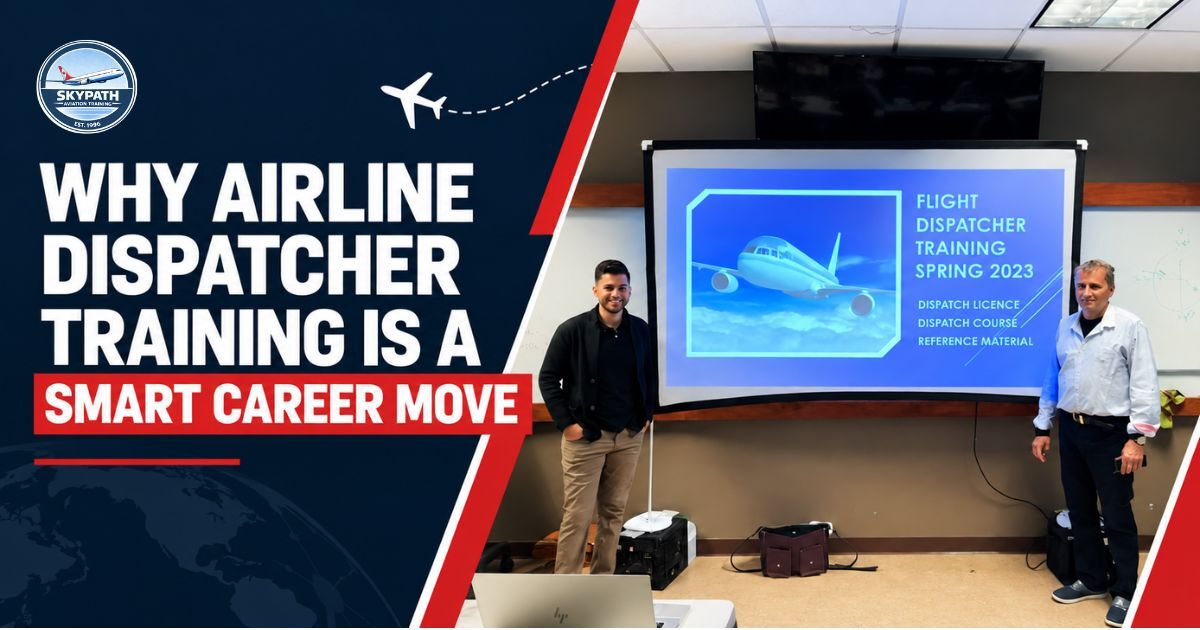
If you’re exploring where to start, Flight Dispatch Training– delivered by Skypath Aviation Training in Markham, Ontario- is one option worth researching directly, alongside your own comparison of curriculum, instructor background and exam preparation support.
FAQs
1. How long does flight dispatcher training in Canada usually take?
Most programs run for a few months of full-time or part-time study, depending on the school’s format. Timelines vary based on whether the course is delivered in-person, online, or as a hybrid, so it’s worth confirming duration directly with your chosen provider before enrolling.
2. Do I need a pilot's licence to become a flight dispatcher?
No. A pilot’s licence isn’t required for dispatcher training or certification. Dispatchers study flight planning, meteorology, aircraft performance and regulations separately from flight training, which is exactly why flight dispatcher training in Canada appeals to people without prior aviation experience.
3. What subjects does a flight dispatcher course in Canada typically cover?
A typical flight dispatcher course in Canada covers aviation weather, navigation, aircraft performance, fuel planning, and Canadian aviation regulations. Programs usually combine classroom theory with simulated flight-planning exercises to prepare candidates for both licensing exams and real operational decision-making.
4. Is airline dispatcher training in Canada a good option for career changers?
- Is airline dispatcher training in Canada a good option for career changers?
Yes, it’s commonly chosen by career changers because it doesn’t require years of prior flight experience. Airline dispatcher training in Canada offers a defined, relatively short study path into a stable aviation role, making it accessible for people transitioning from unrelated industries.
5. What kind of jobs can I get after completing dispatcher training?
Graduates typically start in operations control roles at airlines, cargo carriers, or charter companies, working under experienced dispatchers before taking on independent flight responsibility. Some later move into operations management, scheduling, or regulatory compliance roles within the aviation industry.